Executive Summary
What the Service Covers
We advise on quashing an FIR or criminal proceedings through a Sindh High Court petition under section 561-A of the Code of Criminal Procedure or Article 199 of the Constitution, and on acquittal applications under sections 249-A and 265-K before the trial court.
Who Needs It
A person named in an FIR that discloses no offence, a business dispute presented as fraud, a complaint filed after a long unexplained delay, or a case that the parties have lawfully compromised.
Fee, Time and How to Start
The fee is quoted after we read the FIR and depends on the remedy and forum. Courts fix their own dates, so we do not promise a timeline or a result. Send the FIR on WhatsApp +92 302 6644789; the work is advocate-led and our firm has practised since 1985.
What Quashing an FIR Means
Quashing means that a higher court, or the trial court through an acquittal application, brings criminal proceedings to an end before a full trial because continuing them would be an abuse of the process of law. It is not an appeal on the facts. The court looks at whether the FIR and the record, taken at face value, disclose an offence and whether the proceedings are legally sustainable.
Because it ends a case without trial, quashment is used sparingly. The superior courts have repeatedly said that where the law provides an adequate remedy before the trial court, that remedy should normally be used first. An honest assessment at the start saves time and money.
How an FIR Quashment Lawyer in Karachi Chooses the Remedy
The right route depends on the stage of the case. During investigation, the options are limited and the High Court is cautious about interfering with the police's statutory power to investigate. After the police report under section 173 is submitted and the court takes cognizance, the trial court itself has power to acquit at any stage where the charge is groundless.
| Remedy | Forum | When it is usually used |
|---|---|---|
| Petition under section 561-A CrPC | Sindh High Court | To prevent abuse of process or secure the ends of justice |
| Constitutional petition under Article 199 | Sindh High Court | Where there is no adequate alternative remedy |
| Application under section 249-A CrPC | Magistrate's court | Where the charge is groundless or there is no probability of conviction |
| Application under section 265-K CrPC | Sessions Court | The same test for cases tried by the Court of Session |
| Disposal of the case under section 173 CrPC | Investigating officer and Magistrate | Where investigation finds the case false or civil in nature |
Acquittal Applications Under Sections 249-A and 265-K
These sections allow the trial court to acquit an accused at any stage if the charge is groundless or there is no probability of conviction. They are often the first remedy the superior courts expect an accused to use once the case is in court.
Police Report and Disposal of the Case
During investigation, the investigating officer may find that the case is false or that the dispute is civil. The report is placed before the Magistrate, who may agree or disagree with it. We follow this stage closely, because a favourable police report can end the matter without a petition.
Common Grounds for Quashing an FIR
Each case turns on its record, but the grounds most often argued are that the FIR, read as a whole, does not disclose the ingredients of the offence charged; that the dispute is purely civil, such as a contractual or partnership claim, and has been given a criminal colour; that the FIR was lodged after an unexplained delay to pressure the accused; or that the proceedings are barred by law.
A further ground arises where the same occurrence has already been the subject of an earlier FIR or a court decision. We compare the documents before raising it, because a weak ground can harm a stronger one.

Civil Disputes Turned Into Criminal Cases
Karachi's business and property disputes often reach the police station. A supplier who has not been paid may allege fraud, a partner may allege criminal breach of trust, and a buyer of a plot may allege cheating. Where the real dispute is over money owed under a contract, the courts have held that criminal proceedings should not be used as a tool to recover it.
Where the allegation concerns title to a property, our property lawyers in Karachi for Supreme Court and High Court appeals handle the civil side, and our civil lawyers in Karachi handle recovery suits. Coordinating both sides prevents a statement in one forum from harming the other.
Compromise and Compoundable Offences
Section 345 of the Code lists offences that the parties may compound, some without and some with the permission of the court. Where a lawful compromise is reached in a compoundable offence, the trial court can record it and acquit the accused. For non-compoundable offences, a compromise does not by itself end the case, although courts may consider it with the rest of the record.
We draft compromise statements carefully, because a badly worded document can be read as an admission. Each party should understand what is being signed and before which court. Where the complainant is abroad or unwell, we check how the court will verify the compromise, for example through personal appearance or a properly attested statement, before the document is prepared.
How the Sindh High Court Approaches a Quashment Petition
A petition is decided on the FIR, the police record and the documents that are not seriously disputed. The court does not record evidence or weigh the credibility of witnesses at this stage, so a petition that depends on proving one side's story against the other is unlikely to succeed. What succeeds is a clear legal point visible on the face of the record.
Notice is usually issued to the State through the Prosecutor General and to the complainant, who may file objections. We prepare a short, indexed petition so that the bench can see the legal defect quickly, and we attach only the documents that support it.
Common Mistakes That Weaken a Quashment Case
The most frequent mistake is going to the High Court too early, before the trial court remedies have been tried, without explaining why they are inadequate. Another is attaching disputed documents and asking the court to believe them, which turns a legal question into a factual one the court will not decide in a petition.
Avoiding the investigation is also harmful. A person who refuses to join the investigation, or who files a petition while absconding, rarely receives discretionary relief. We advise clients to cooperate lawfully while the remedy is pursued.
Interim Protection While a Petition Is Pending
Filing a quashment petition does not automatically stop an investigation or an arrest. Where arrest is feared, a separate application for pre-arrest bail may be needed, and our bail lawyer in Karachi page explains that process. The High Court may grant interim relief in suitable cases, but it is never guaranteed.
FIR Quashment Lawyer in Karachi Fees and Timelines
Our fee depends on whether a High Court petition or a trial court application is required, the volume of the record and the expected hearings. It is quoted after we read the FIR and any police report. High Court petitions are fixed according to the court's roster and notice to the State and complainant, so we give a realistic view rather than a date.
We do not promise that an FIR will be quashed. The courts apply strict tests, and we tell you plainly when a trial court remedy or a defence at trial is the better course.
What to Send Your FIR Quashment Lawyer in Karachi
Send the FIR, any police report or challan, the court's orders so far, the documents that show the civil nature of the dispute such as agreements, invoices or bank records, and a short account of events in date order. If an earlier application was filed, send its order too.
For wider defence work see our criminal defence lawyers in Karachi page. Complaints about dishonoured cheques are covered on our cheque bounce lawyer in Karachi page, and online complaints on our cyber crime lawyer in Karachi page. Our network also lists criminal lawyers in Karachi and Islamabad.
FIR Quashment Lawyer in Karachi: Who Will Handle Your Matter

Syed Akhtar Rizvi
Advocate Supreme Court of Pakistan
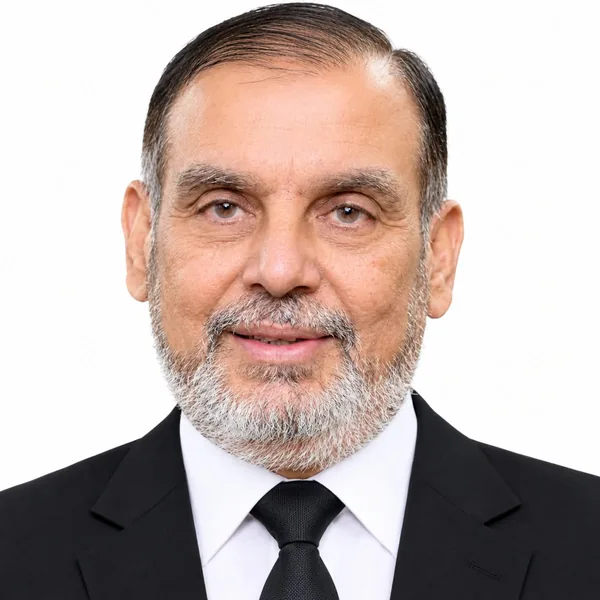
Mohsin Ali Shah
Senior Legal Consultant, M.A., LL.B. (practising since 1985)
Syed Akhtar Rizvi, Advocate Supreme Court of Pakistan, supervises quashment petitions and constitutional work before the Sindh High Court. Syed Mohsin Ali Shah, Senior Legal Consultant, practising since 1985, reviews the record and the civil side of each dispute.
FIR Quashment Lawyer in Karachi — Frequently Asked Questions
What does an FIR quashment lawyer in Karachi do?
They read the FIR and record, decide whether a High Court petition or a trial court application is the right remedy, and draft and argue it.
Can the High Court quash an FIR during investigation?
It can in suitable cases, but it is cautious about interfering with investigation and usually expects the accused to use other remedies first.
What is section 561-A CrPC?
It saves the inherent power of the High Court to prevent abuse of the process of any court or otherwise secure the ends of justice.
What is the difference between 249-A and 265-K?
Both allow acquittal at any stage where the charge is groundless. Section 249-A applies before a Magistrate and section 265-K before a Sessions Court.
Can a civil dispute be the basis of an FIR?
An FIR must disclose a criminal offence. Where the dispute is purely civil, that can be a ground for quashment or acquittal.
Does a compromise end the case?
In a compoundable offence a lawful compromise can lead to acquittal. In a non-compoundable offence it does not end the case by itself.
Will filing a petition stop my arrest?
Not automatically. A separate pre-arrest bail application may be needed, and interim relief depends on the court.
How long does a quashment petition take?
It depends on the court's roster and notice to the State and complainant. We do not promise a date.
Which documents should I send?
The FIR, any police report, court orders, the documents showing the dispute's nature and a dated account of events.
How much does quashment cost?
The fee depends on the forum and the record. It is quoted after we read the FIR.
Speak to an FIR Quashment Lawyer in Karachi Today
Send the FIR on WhatsApp +92 302 6644789 and our team will tell you which remedy fits the stage of your case, where it is filed and what documents support it. Calls are taken from 10 am to 10 pm.
Visit Karachi Office 1 (Head Office) at 2nd Floor, Supreme Corner, Johar Chowrangi, Gulistan-e-Jauhar, or Karachi Office 2 at Mezzanine Floor, Main Jami Commercial, Phase 7, DHA. This page is general information and not advice on your case.
Official Sources and Legal References
Reviewed by: Syed Akhtar Rizvi, Advocate Supreme Court of Pakistan
Published by: Advocates of Pakistan
Last updated: 21 November 2026