Executive Summary
Quick Answer
A trust in Karachi is created by a trust deed and must then be registered under the Sindh Trusts Act 2020 with the trusts registrar in the Industries and Commerce Department, Government of Sindh. Without that registration the trust cannot function in the province.
Sub-Registrar Role
The Sub-Registrar registers documents under the Registration Act 1908, such as a deed transferring land or a building to the trust. That is separate from, and does not replace, registration of the trust itself.
Stamp Duty
The trust deed and any property transfer are executed on stamp paper of the value required under Sindh stamp law. We confirm the correct value for your deed before it is purchased.
Fees
Government fee about Rs 10,000 for a trust. Professional fee Rs 50,000 for deed drafting and submission, or Rs 100,000 for complete handling through verification.
How to Start
WhatsApp the settlor's and trustees' CNICs, the objects, the property or fund being settled and the Karachi office address.
The Law Behind Trust Registration in Karachi
The Sindh Trusts Act 2020 replaced the old Trusts Act 1882 for trusts in the province. Under section 12 of the Act, no trust is to function unless it is registered under it. In practice this means a trust deed that was only registered at a Sub-Registrar office, which was common in Karachi for decades, is no longer enough to open or operate a bank account or receive funds in the trust's name.
Several laws work together on a Karachi trust, and the table shows which office handles each layer.
| Layer | Law | Authority | When it applies |
|---|---|---|---|
| Registration of the trust | Sindh Trusts Act 2020 and Sindh Trusts Rules | Trusts registrar (Assistant Director, Trusts), Industries and Commerce Department, Sindh | Every trust that is to function in Sindh |
| Trust deed and property documents | Registration Act 1908 | Sub-Registrar office for the area of the property | Where land or a building is transferred to or held by the trust |
| Stamp duty | Stamp law as applicable in Sindh | Stamp vendor or e-stamping, verified at registration | Trust deed and every property transfer |
| Charity enlistment | Sindh Charities Registration and Regulation Act 2019 | Sindh Charity Commission | Charitable trusts collecting public funds in Sindh |
| Tax approval | Income Tax Ordinance 2001, section 2(36) | FBR, Commissioner Inland Revenue | Trusts seeking non-profit approval |
Family Trusts and Welfare Trusts in Karachi
A public or charitable trust serves a section of the public: a school, a free clinic, a mosque or madrassa, ration and relief work, or scholarships. A private or family trust benefits named persons, for example a family settling a rental building in Saddar for the education and maintenance of grandchildren. The deed, the trustee powers and the later compliance differ for each, so the first question we ask is who the trust is meant to benefit.
Specialised trusts such as employees' provident and gratuity funds follow their own route under section 12-A of the Sindh Act and are not drafted like a welfare trust.
Mosque, Madrassa and Community Trusts
Many mosque and madrassa committees in Orangi, Korangi, Malir and Federal B Area run on old deeds or on no deed at all. Registering them as trusts gives the committee a clear legal owner for the land, a bank account in the trust's name and rules for appointing trustees, the imam or the administrator. The land itself is moved to the trust by a deed registered at the Sub-Registrar office.
Drafting the Trust Deed for Trust Registration in Karachi
The deed is what the registrar, the bank and later the donors read first. A Karachi deed should be drafted for the Sindh Trusts Act 2020, not copied from an 1882 template, and should state clearly:
- The settlor (author) of the trust and the property or funds being settled.
- Precise objects that match the work the trust will actually do.
- The number of trustees, how they are appointed, removed and replaced, and who is the managing trustee.
- The beneficiaries, or the charitable class to be served.
- Decision-making, quorum, bank signatories and limits on spending.
- Accounts, audit and record-keeping duties.
- What happens to remaining property if the trust is dissolved.
Trustees: Who Can Serve and What They Owe
Trustees must be adults of sound mind who can be verified; each gives a CNIC or NICOP and particulars in the schedule prescribed under the Sindh rules, including anyone who exercises ultimate control. Trustees hold the property for the beneficiaries, must not profit from the trust, must keep accounts and must report any change of trustees to the registrar. We advise an odd number of trustees and a written succession clause so the trust does not stall when a trustee dies or moves abroad.
Stamp Duty and the Sub-Registrar in Karachi
The trust deed is executed on stamp paper of the value fixed under the stamp law applicable in Sindh. Where immovable property is settled, the duty and registration fee on the transfer are worked out on the property, and the deed is presented at the Sub-Registrar office within whose area the property lies. Karachi has separate Sub-Registrar offices for its different towns, and the settlor and witnesses usually appear in person with original CNICs and title papers.
We do not quote stamp duty figures on this page because they depend on the deed and the property and change through Sindh finance laws. We work out the value for your documents before stamp paper is bought, so the deed is not rejected for deficient stamp.
Documents Required for Trust Registration in Karachi
- Trust deed on stamp paper of the required value, settled by a lawyer.
- CNIC copies and photographs of the settlor and all trustees.
- Trustee particulars in the prescribed schedule under the Sindh rules.
- Proof of the trust's office in Karachi: tenancy agreement or ownership papers and a recent utility bill.
- Details and title documents of any property or initial fund being settled.
- Trustees' resolution and any undertakings or affidavits the registrar requires.
- Particulars needed for police and security verification of the trustees.
Step-by-Step Process in Karachi
- Review: we confirm the type of trust, the objects, the trustees and the property, and whether a trust is the right vehicle at all.
- Drafting: the deed and trustee schedule are prepared and approved by the settlor and trustees.
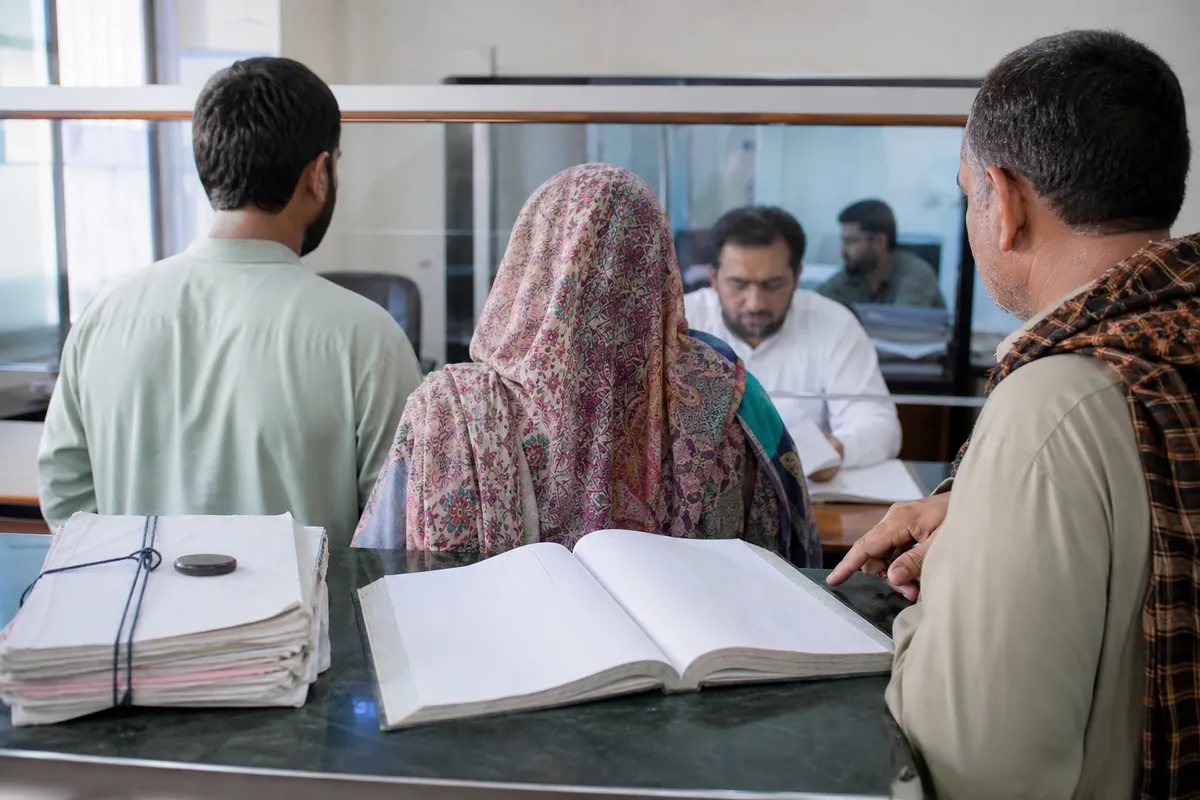
- Execution: the deed is signed on stamp paper before witnesses; property, if any, is transferred by a deed registered at the Sub-Registrar office.
- Filing: the application goes to the trusts registrar in the Industries and Commerce Department, Government of Sindh, with the government fee.
- Verification: office verification and background checks of the settlor and trustees through the agencies concerned.
- Certificate: the trust is registered and can now function.
- After registration: NTN, bank account in the trust's name, Sindh Charity Commission enlistment for charitable trusts and FBR non-profit approval where it qualifies.
Trust Registration in Karachi Fees
Most of the cost lies in drafting a deed that the registrar accepts and in following up verification by several agencies, not in the challan. Government fees are revised from time to time and confirmed at filing; stamp duty and Sub-Registrar charges on property are separate.
- Government fee for registration under the Sindh Trusts Act 2020: about Rs 10,000.
- Trust deed drafting and submission only, with follow-up by the client: Rs 50,000.
- Complete service, from structure advice and deed to filing and our follow-up through verification to the certificate: Rs 100,000.
- Re-registration of an old trust and annual compliance: quoted after we review the existing deed.
Re-Registering an Older Karachi Trust
Trusts created under the Trusts Act 1882 and registered only at a Sub-Registrar office must now be registered under the Sindh Trusts Act 2020 before they can function. This usually needs a review of the old deed, an updated trustee list and often a supplementary deed that brings the trust in line with the 2020 Act. Banks increasingly ask for the new certificate, so delay can freeze the trust's accounts.
Mistakes That Hold Up a Trust File
- Using an 1882-style template that does not reflect the Sindh Trusts Act 2020.
- Deed executed on stamp paper of the wrong value.
- Describing property in the deed that has not actually been transferred to the trust.
- Incomplete trustee particulars, which stop verification.
- Collecting donations before the trust is registered and its bank account is open.
- Changing trustees without informing the registrar and the bank.
Meet Us in Karachi
Settlors and trustees can meet us at our head office, 2nd Floor, Supreme Corner, Johar Chowrangi, Gulistan-e-Johar, Karachi, or at Mezzanine Floor, Main Jami Commercial, Phase 7, DHA, Karachi. Trustees living abroad can act through a power of attorney, but each trustee is still verified. Where a trust will run a business or hold shares, our company registration team can advise on the corporate side.
Advocates Handling Trust Registration in Karachi
Mohsin Ali Shah
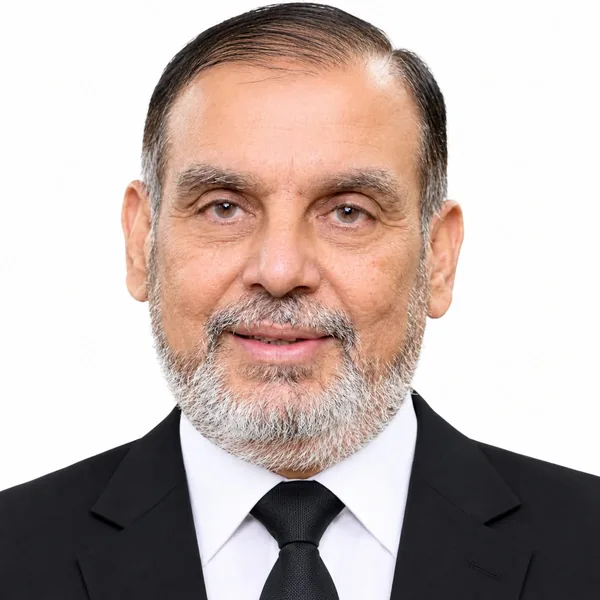
Senior Legal Consultant, M.A., LL.B. (practising since 1985)
Tahir Pervez Qureshi
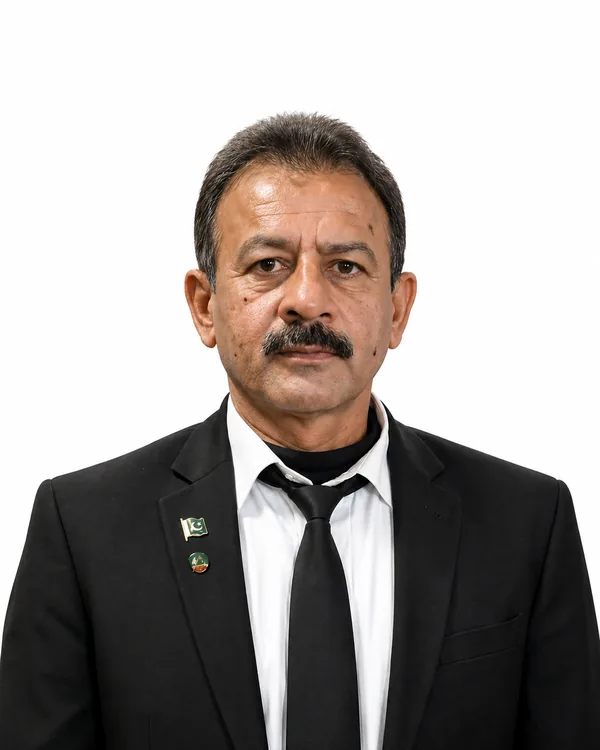
Advocate High Court, Karachi
Mohsin Ali Shah, Senior Legal Consultant practising since 1985, settles trust deeds and advises on the choice between a trust and other structures. Tahir Pervez Qureshi, Advocate High Court, handles property transfers to trusts, Sub-Registrar execution and trustee disputes in Karachi.
Trust Registration in Karachi — Frequently Asked Questions
Which office handles Trust Registration in Karachi?
The trusts registrar in the Industries and Commerce Department, Government of Sindh, registers trusts under the Sindh Trusts Act 2020. The Sub-Registrar office registers deeds and property transfers, which is a separate step.
Is a trust deed registered at the Sub-Registrar office enough?
No. Under section 12 of the Sindh Trusts Act 2020, a trust cannot function unless it is registered under that Act.
How much stamp duty is payable on a trust deed in Sindh?
It depends on the deed and on any property being settled, and the rates change through Sindh finance laws. We work out the correct value for your deed before stamp paper is bought.
What is the government fee for registering a trust?
About Rs 10,000 under the Sindh Trusts Act 2020. Fees are revised from time to time and confirmed at filing.
What is your professional fee?
Rs 50,000 for deed drafting and submission with follow-up by you, or Rs 100,000 for complete handling through verification to the certificate.
How many trustees does a trust need?
The deed decides the number. We usually advise at least three and an odd number, with a succession clause so the trust continues when a trustee dies or resigns.
Can a family trust be registered in Karachi?
Yes. A private or family trust names its beneficiaries, and the deed must deal clearly with income, trustee succession and what happens on termination.
Do old trusts created before 2020 need to register again?
Yes. Trusts formed under the Trusts Act 1882 must be registered under the Sindh Trusts Act 2020 to function, often with a supplementary deed.
Can trustees living abroad be appointed?
Yes. They can sign through a power of attorney, but each trustee's NICOP or CNIC and particulars are verified like any other trustee.
Is a registered trust exempt from tax?
Not automatically. The trust needs an NTN and may apply for non-profit approval under section 2(36) of the Income Tax Ordinance 2001 if it qualifies.
Begin Your Trust Registration in Karachi
A deed drafted for the 2020 Act, correct stamp paper and complete trustee particulars are what get a Karachi trust registered without objections. WhatsApp +92 302 6644789 with your objects, trustees and property details, and we will tell you exactly what the file needs.
Meet us at 2nd Floor, Supreme Corner, Johar Chowrangi, Gulistan-e-Johar, Karachi, or at Mezzanine Floor, Main Jami Commercial, Phase 7, DHA, Karachi. Calls 10 am to 10 pm; WhatsApp 24/7.
Official Sources and Legal References
Reviewed by: Mohsin Ali Shah, Senior Legal Consultant, practising since 1985
Published by: Advocates of Pakistan
Last updated: 16 November 2026