
Executive Summary
Quick Answer
There is no single NGO Act. In Karachi an NGO is usually registered as a society under the Societies Registration Act 1860, a trust under the Sindh Trusts Act 2020, a voluntary social welfare agency under the 1961 Ordinance, or a not-for-profit company under section 42 of the Companies Act 2017.
Sindh Authorities
Societies and trusts are registered through the Industries and Commerce Department, Government of Sindh; welfare agencies through the Social Welfare Department Sindh; Section 42 companies through SECP. Charities raising public funds may also need enlistment with the Sindh Charity Commission.
Fees
Government fee about Rs 10,500 for a society and Rs 10,000 for a trust. Professional fee Rs 50,000 for drafting and submission, or Rs 100,000 for complete handling through verification.
Time
Verification by several agencies is the slow part. Files with correct documents and a verifiable Karachi office move fastest.
How to Start
WhatsApp the proposed name, objects, founder CNICs and office address. We confirm the route before drafting anything.
Which Law Applies to NGO Registration in Karachi
Founders often ask for an NGO licence as if one office issued it. In Sindh the choice of law decides the registrar, the documents, who controls the organisation and how it reports later. Picking the wrong vehicle at the start usually means redrafting and refiling, so we settle the route first.
| Route | Law | Sindh authority | Suits |
|---|---|---|---|
| Society | Societies Registration Act 1860 (at least seven members) | Registrar of Societies, Industries and Commerce Department, Sindh | Membership bodies, community and residents' associations, alumni and professional groups |
| Trust | Sindh Trusts Act 2020 | Trusts registrar, Industries and Commerce Department, Sindh | Founder or family-controlled welfare trusts, mosque and madrassa trusts, endowments |
| Voluntary social welfare agency | Voluntary Social Welfare Agencies (Registration and Control) Ordinance 1961 | Social Welfare Department Sindh | Welfare work for children, women, patients, the elderly, the disabled and the destitute |
| Not-for-profit company | Companies Act 2017, section 42 | SECP licence, then incorporation | Larger organisations wanting a board and institutional donors |
| Charity enlistment (extra layer) | Sindh Charities Registration and Regulation Act 2019 | Sindh Charity Commission | Organisations collecting and applying charitable funds in Sindh |
Society, Trust or Welfare Agency: Choosing a Route for NGO Registration in Karachi
A society suits an organisation run by members who elect a managing committee. Seven or more persons subscribe a memorandum of association and rules, and the Registrar checks that the objects are lawful and not-for-profit. Residents' welfare associations in Gulshan-e-Iqbal or North Nazimabad, old boys' associations and trade or professional groups commonly use this form.
A trust suits founders who want control to stay with named trustees and a succession clause rather than an elected body. Since the Sindh Trusts Act 2020, a trust cannot function in the province unless it is registered under that Act, so a deed registered only at a Sub-Registrar office is not enough. Family welfare trusts, hospital endowments and mosque committees that own land usually choose this route.
A voluntary social welfare agency registered with the Social Welfare Department Sindh suits community-facing welfare work. The 1961 Ordinance requires the agency to keep its funds in a separate bank account in its own name and to maintain accounts that the department may inspect.
When a Section 42 Company Is the Better Fit
Where an organisation expects international grants, large corporate donations or work across several provinces, a not-for-profit company licensed by SECP under section 42 of the Companies Act 2017 is often stronger. It carries a heavier reporting load, including audited accounts and statutory returns. We explain the federal side on our NGO registration in Pakistan guide and handle incorporation with our company registration team.
Karachi Examples: Which Structure Suits Which Organisation
- A Korangi or Landhi welfare group distributing ration and running a free dispensary: usually a voluntary social welfare agency or a society.
- A family in DHA or Clifton endowing a school or scholarship fund: usually a trust with named trustees.
- A mosque or madrassa committee in Orangi, Malir or Federal B Area that holds land: usually a trust, with the land transferred to it by a registered deed.
- A free clinic, blood bank or diagnostic centre planning to approach corporate donors: a society or trust at first, or a Section 42 company from the start if funding will be large.
- A residents' or traders' association in a housing scheme or market: usually a society, because members elect the office bearers.
- A youth sports, literacy or skills programme in Lyari or Baldia: a society or welfare agency, depending on whether members or a small founding group will run it.
Documents Required for NGO Registration in Karachi
The file differs by route, but these papers are needed in almost every Karachi case:
- CNIC copies, photographs and contact details of every founder, member of the governing body or trustee.
- Memorandum and rules for a society, trust deed for a trust, constitution for a welfare agency, or memorandum and articles for a Section 42 company.
- A precise statement of lawful not-for-profit objects that matches the work the organisation will actually do.
- Proof of a Karachi office: tenancy agreement or ownership papers and a recent utility bill in the same address.
- Founding resolution or minutes appointing the first managing committee, trustees or directors.
- Undertakings, affidavits and verification forms required by the registrar, including particulars for security clearance.
- Expected sources of funds and proposed bank signatories.

Step-by-Step Process at the Sindh Offices
- Structure review: we look at your objects, founders, funding plans and area of work and recommend the route.
- Name and drafting: the name is checked and the constitution, rules or trust deed is drafted for the chosen law. A trust deed is executed on stamp paper of the value required in Sindh.
- Filing: the file goes to the Registrar of Societies or the trusts registrar in the Industries and Commerce Department, to the Social Welfare Department Sindh, or to SECP, as the case requires.
- Verification: officials may visit the Karachi office, and the founders or trustees go through background and security checks by the agencies concerned.
- Certificate: once verification is cleared the registration certificate issues and certified copies of the constitution or deed are released.
- After registration: NTN, bank account in the organisation's name, Sindh Charity Commission enlistment where public funds are collected, and FBR non-profit approval where it qualifies.
Sub-Registrar Offices in Karachi and Property
If land or a building is being given to the organisation, the transfer deed is registered at the Sub-Registrar office for the area where the property lies, under the Registration Act 1908, with stamp duty paid under Sindh law. Karachi has separate Sub-Registrar offices for different towns, so we confirm the right office from the property papers. This is separate from registering the organisation itself.
NGO Registration in Karachi Fees and What Is Included
The government challan is a small part of the cost. Most of the work lies in drafting documents that the registrar accepts and in following up the multi-agency verification. Government fees are revised from time to time and are confirmed at filing.
- Government fee for a society under the Societies Registration Act 1860: about Rs 10,500.
- Government fee for a trust under the Sindh Trusts Act 2020: about Rs 10,000.
- Documentation and submission only, with follow-up by the client: Rs 50,000.
- Complete service, from structure advice and drafting to filing and our follow-up through verification to the certificate: Rs 100,000.
- Section 42 licence, Charity Commission enlistment and annual compliance: quoted after review.
After Registration: Bank, Tax and Charity Commission
A certificate alone does not make the organisation tax-exempt or ready to fundraise. It needs its own NTN, a bank account in its registered name and proper books from day one. Where it qualifies, it can apply to the Commissioner Inland Revenue for approval as a non-profit organisation under section 2(36) of the Income Tax Ordinance 2001, and approved organisations allow donors to claim the tax credit under section 61. You can check an existing number on our NTN verification page.
Charities collecting money from the public in Sindh should also consider enlistment with the Sindh Charity Commission, which asks under which law the organisation is already registered. Any change of office bearers, trustees or address must be reported to the registrar; banks often freeze accounts when their records do not match.
Foreign Funding and Work Outside Sindh
A Karachi organisation that intends to receive foreign contributions must follow the federal policy administered through the Economic Affairs Division and the Ministry of Interior before accepting any funds. Provincial registration does not automatically cover projects in Punjab, Khyber Pakhtunkhwa or Balochistan, which may have their own requirements.
Common Mistakes That Delay NGO Registration in Karachi
- Objects drafted too broadly or copied from another organisation's constitution.
- Using a residential flat that cannot be verified as an office, or a tenancy agreement in a different name from the utility bill.
- Choosing a trust when the founders really want elections, or a society when a family wants permanent control.
- Relying on an old Trusts Act 1882 deed registered only at the Sub-Registrar office.
- Collecting donations before the certificate and bank account are in the organisation's own name.
- Treating Charity Commission enlistment as if it replaced registration of the entity.
Our Karachi Offices
Founders can meet us at our head office, 2nd Floor, Supreme Corner, Johar Chowrangi, Gulistan-e-Johar, Karachi, or at our DHA office, Mezzanine Floor, Main Jami Commercial, Phase 7, DHA, Karachi. Both offices are close to the Sindh government offices that handle these files, and we regularly act for organisations from Saddar, PECHS, Bahadurabad, Gulshan-e-Iqbal, North Karachi, Korangi, Malir, Lyari and Bahria Town. Overseas founders can sign through a power of attorney, but each founder's particulars and verification still apply.
Advocates Handling NGO Registration in Karachi
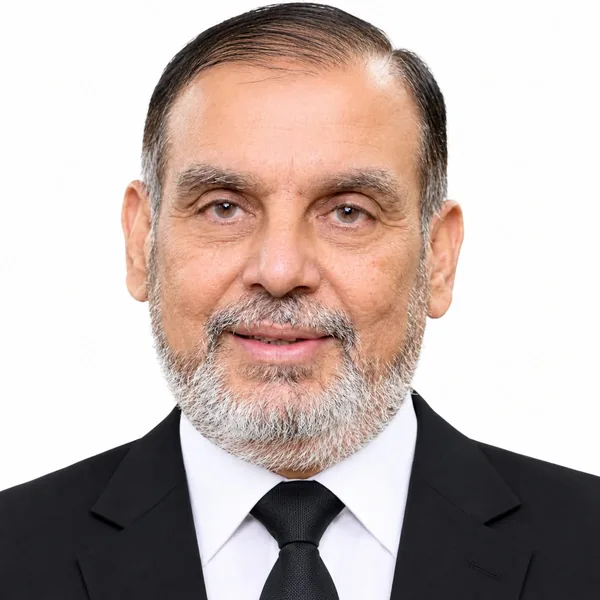
Mohsin Ali Shah
Senior Legal Consultant, M.A., LL.B. (practising since 1985)
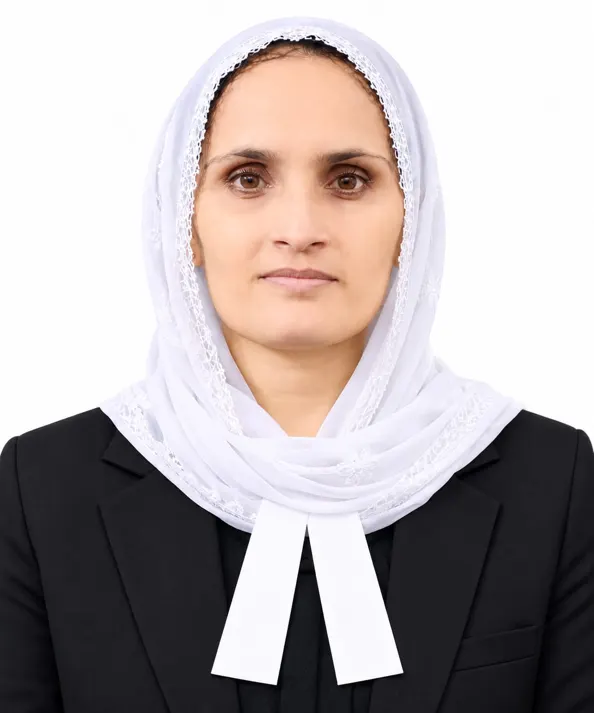
Sobia Mohsin
Advocate, Family & Corporate Documentation
Mohsin Ali Shah, Senior Legal Consultant practising since 1985, advises on the choice of structure and settles constitutions and trust deeds. Sobia Mohsin, Advocate, prepares the documents, deals with the Sindh registrars and follows verification through to the certificate.
NGO Registration in Karachi — Frequently Asked Questions
What is the best route for NGO Registration in Karachi?
It depends on control and funding. A society suits elected membership, a trust suits founder or family control, a welfare agency suits community welfare work, and a Section 42 company suits large, donor-funded organisations. We recommend one after reviewing your objects and founders.
Which office registers an NGO in Karachi?
Societies and trusts are registered through the Industries and Commerce Department, Government of Sindh. Voluntary social welfare agencies are registered with the Social Welfare Department Sindh. Section 42 companies are licensed by SECP.
How many members are needed to register a society?
At least seven persons must subscribe the memorandum of association under the Societies Registration Act 1860. A trust can be formed with fewer trustees, as the deed provides.
What is the government fee?
About Rs 10,500 for a society and about Rs 10,000 for a trust. Fees are revised from time to time and confirmed at filing.
What is your professional fee?
Rs 50,000 for drafting and submission with follow-up by you, or Rs 100,000 for complete handling through verification to the certificate. Section 42 and Charity Commission work are quoted after review.
Is a trust deed registered at the Sub-Registrar office enough?
No. Under the Sindh Trusts Act 2020 a trust must be registered under that Act to function. The Sub-Registrar registers deeds and property transfers, not the trust as an organisation.
Can a mosque or madrassa committee register?
Yes. Most register as a trust, and any land is transferred to the trust by a registered deed. The deed should deal carefully with management and the appointment of the imam or administrator.
Does registration make the NGO tax-exempt?
No. The organisation needs its own NTN and may apply for approval as a non-profit organisation under section 2(36) of the Income Tax Ordinance 2001 if it qualifies.
Can founders living abroad register an NGO in Karachi?
Yes, through a power of attorney to someone in Pakistan, but every founder's CNIC or NICOP and particulars are still verified.
Can a Karachi NGO receive foreign funds?
Only after following the federal foreign contributions policy administered through the Economic Affairs Division and the Ministry of Interior. Accepting funds before that is a serious risk.
Start Your NGO Registration in Karachi
A clear constitution, the right route and a verifiable office are what get a Karachi file through. WhatsApp +92 302 6644789 with your proposed name, objects and founder list, and we will tell you which registrar to approach and what the file needs.
Meet us at 2nd Floor, Supreme Corner, Johar Chowrangi, Gulistan-e-Johar, Karachi, or at Mezzanine Floor, Main Jami Commercial, Phase 7, DHA, Karachi. Calls 10 am to 10 pm; WhatsApp 24/7.
Official Sources and Legal References
Reviewed by: Mohsin Ali Shah, Senior Legal Consultant, practising since 1985
Published by: Advocates of Pakistan
Last updated: 16 November 2026