
Executive Summary
Quick Answer
A trust is created by a trust deed signed by the author (settlor) and accepted by the trustees. The deed is executed on stamp paper, registered with the Sub-Registrar under the Registration Act 1908 where the law requires it, and the trust is then registered with the provincial trusts registrar under the trust law enacted in 2020.
Which Law
Sindh Trusts Act 2020, Punjab Trusts Act 2020 or Islamabad Capital Territory Trusts Act 2020, depending on where the trust is based. The Trusts Act 1882 still shapes the basic law of private trusts, and waqf has its own rules.
Cost
Government fee about Rs 10,000. Our professional fee is Rs 50,000 for documentation and submission, or Rs 100,000 for the complete service to the certificate. Stamp duty and verification costs are additional.
Time
At least three to six months, mainly because the trustees and the office are verified by several agencies.
How to Start
WhatsApp the purpose, trustees' CNICs and property details to +92 302 6644789 for a free first review.
What Trust Registration in Pakistan Means Today
A trust is an obligation attached to property: the author hands property or money to trustees, who hold and manage it for named beneficiaries or for a charitable purpose. The trust deed is the document that creates this relationship. It names the author, the trustees, the beneficiaries or the charitable class, the property settled, and the rules the trustees must follow.
For many years a trust in Pakistan was considered complete once the deed was registered with the Sub-Registrar. That changed in 2020, when Sindh, Punjab and the Islamabad Capital Territory each enacted a Trusts Act. These provincial trust laws require trusts to be registered with a trusts registrar, to disclose their author, trustees, beneficiaries and the persons who ultimately control them, and they provide that an unregistered trust cannot function. A deed registered only at the Sub-Registrar's office is no longer enough on its own, and banks now ask for the trust registration certificate before opening an account.
So when clients ask us to register a trust deed, we treat it as the full process: drafting, stamping, registration of the deed, registration of the trust, and then NTN, bank account and, for charities, FBR approval.
Kinds of Trust You Can Register
The right kind of trust depends on who will benefit and whether the public will be asked for donations. The table compares the forms we register most often.
| Kind of trust | Purpose | Beneficiaries | Points to note |
|---|---|---|---|
| Private or family trust | Holding and managing property or investments for the family | Named family members, often children or grandchildren | Property transfer, stamp duty and Islamic inheritance rules must be planned together |
| Welfare trust | Running a school, dispensary, ration programme or community project | A defined class, such as poor students or patients | Usually needs NTN, audited accounts and FBR non-profit approval to attract donors |
| Charity trust (public charitable trust) | Relief of poverty, education, health and religious purposes for the public | The general public or a section of it | May also need charity commission registration where public donations are collected |
| Waqf | Permanent dedication of property to a religious or charitable purpose | Mosque, madrassa, imambargah, graveyard or the poor; family waqf also possible | Governed by Islamic law and the provincial waqf laws as well as the trust law |
Family Trust Registration and Private Trust Registration
Family trust registration is used by families who want property, a business share or savings managed by trustees for children, a disabled family member or future generations. A private trust can keep property together and avoid disputes, but it cannot be used to defeat the shares of legal heirs under Islamic inheritance law, and a transfer made in the author's death illness can be challenged. We advise on the deed together with the Islamic law of will and gift deed options, because sometimes a gift or a will is the better tool.
Charity Trust Registration and Welfare Trust Registration
Charity trust registration and welfare trust registration suit founders who want to control a charity themselves, without the members and elections of a society. The deed must keep the objects charitable, bar any personal benefit to trustees beyond reasonable expenses, and say where the assets go if the trust is dissolved. These clauses later decide whether FBR approves the trust as a non-profit organisation.
The Law Behind Trust Registration in Pakistan
- Trusts Act 1882: the basic law of private trusts, defining the author, trustee, beneficiary and trust property, and the duties and liabilities of trustees.
- Provincial trust laws enacted in 2020: the Sindh Trusts Act 2020, Punjab Trusts Act 2020 and Islamabad Capital Territory Trusts Act 2020 require registration, disclosure of beneficial ownership and reporting of changes in trustees.
- Registration Act 1908: a non-testamentary instrument creating or declaring an interest in immovable property must be registered with the Sub-Registrar of the area where the property lies.
- Stamp Act 1899 as applied in each province: the trust deed is executed on stamp paper of the value fixed for a declaration or instrument of trust, and any separate transfer of property attracts its own duty.
- Provincial waqf laws and Islamic law: govern the creation and administration of a waqf.
- Charities law: the Punjab Charities Act 2018 (Punjab Charity Commission) and the Sindh charities law (Sindh Charity Commission) where a trust raises donations from the public.
- Income Tax Ordinance 2001: approval as a non-profit organisation under section 2(36) and tax credit for donors under section 61.
Trust Deed Drafting: What the Deed Must Contain
The deed is the constitution of the trust. Most problems we are asked to fix years later come from a short template deed that did not answer basic questions. A well-drawn deed covers the following points.
- Name of the trust and its registered office address.
- The author (settlor) and the initial property or money settled on the trust.
- Objects: charitable, religious, educational or private family purposes, stated clearly and not so widely that verification is delayed.
- Trustees: names, CNICs, the minimum and maximum number, powers, and how a trustee is appointed, removed or replaced.
- Beneficiaries, or the charitable class to be served.
- Meetings, quorum, decisions and who signs cheques and documents.
- Accounts, audit, record keeping and the financial year.
- Amendment clause, and dissolution with assets passing to another charity for a charitable trust.
Trustee Succession Planned From the Start
The commonest problem we see in older trusts is a trustee who has died with no named successor, leaving the bank account frozen and the property unmanaged. The deed should say exactly how a vacancy is filled and who decides, so the trust carries on without going to court.
Trust Registration in Pakistan Step by Step
- First consultation: we settle the purpose, kind of trust, trustees, property and the province where the trust will be based.
- Name check and drafting of the trust deed, sent to the author and trustees for approval.
- Purchase of stamp paper and execution of the deed by the author and trustees before witnesses.
- Registration of the deed with the Sub-Registrar under the Registration Act 1908, with biometric verification of the executants.
- Application to the provincial trusts registrar with the registered deed and the beneficial-ownership disclosures.
- Verification of the trustees and the office by the agencies concerned, including a physical visit.
- Issue of the trust registration certificate, followed by NTN, bank account and, where needed, charity commission registration and FBR approval.
Documents Required
- CNIC copies and photographs of the author and every trustee; NICOP or passport for overseas trustees.
- Draft trust deed approved by the author and trustees.
- Proof of the registered office: ownership papers or rent agreement, with a recent utility bill.
- Title documents of any immovable property to be settled on the trust.
- Details of beneficiaries or the charitable class, and of the persons who ultimately control the trust.
- Undertakings, affidavits and forms required by the trusts registrar.
- Two witnesses with CNICs for execution and registration of the deed.
Trust Registration Cost and Timeline
The government fee for trust registration is about Rs 10,000. Our professional fee is Rs 50,000 for documentation and submission only, or Rs 100,000 for the complete service through to the registration certificate. Stamp duty on the deed, Sub-Registrar charges, any property transfer and verification-stage expenses are additional and depend on the province and the property involved. We give a written quotation after reviewing your papers.
Allow at least three to six months. Drafting and execution take a few weeks; most of the waiting comes from agency verification of the trustees and the office.
| Item | Amount | Notes |
|---|---|---|
| Government fee for trust registration | About Rs 10,000 | Paid to the registering authority |
| Documentation and submission only | Rs 50,000 | Professional fee: deed drafting, file preparation and filing |
| Complete service to the certificate | Rs 100,000 | Professional fee: includes follow-up through verification |
| Stamp duty and Sub-Registrar charges | Quoted after review | Depends on the province and any property settled |
After Registration: NTN, Bank Account and FBR Approval
Once the certificate is issued, the trust obtains its own NTN, opens a bank account in its name and keeps proper books. A charitable or welfare trust that wants donors to receive a tax credit under section 61 of the Income Tax Ordinance 2001 must apply separately to FBR for approval as a non-profit organisation under section 2(36). Registration of the trust alone does not give tax exemption.
A trust that collects donations from the public in Punjab may need registration with the Punjab Charity Commission, and in Sindh enlistment with the Sindh Charity Commission. Receiving foreign contributions requires separate clearance under the federal policy administered through the Economic Affairs Division and the Ministry of Interior.
Ongoing Compliance
- Report changes of trustees or beneficial owners to the registrar within the time the Act allows.
- Keep annual accounts and, for charitable trusts, have them audited.
- File the annual income tax return and withholding statements with FBR.
- Make charity commission filings where the trust raises public donations.
Trust, Society or Section 42 Company?
A trust is founder-controlled and suits families, endowments and charities run by a small board. A society under the Societies Registration Act 1860 is member-based and suits welfare associations; see our Society Registration in Pakistan guide. A not-for-profit company licensed by SECP under section 42 of the Companies Act 2017 suits larger organisations seeking institutional and international funding. Our company registration service covers SECP incorporation, and the NGO Registration in Pakistan guide compares all routes side by side.
Common Mistakes We Correct
- Using an old trust deed template that ignores the 2020 Acts.
- Property described differently in the deed and in the title documents.
- No mechanism for replacing a trustee who dies or resigns.
- Collecting public donations before registration and charity clearance.
- Assuming that registration of the trust gives tax exemption.
Advocates Handling Trust Registration in Pakistan
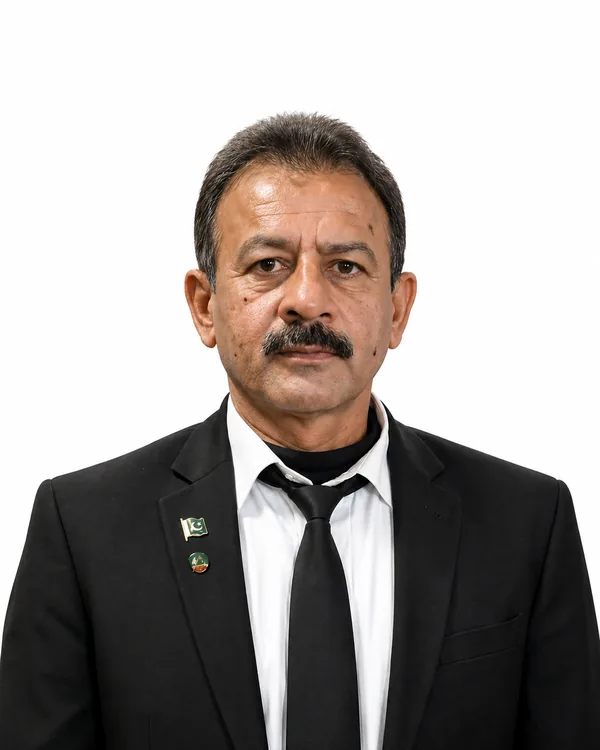
Tahir Pervez Qureshi
Advocate High Court, Karachi
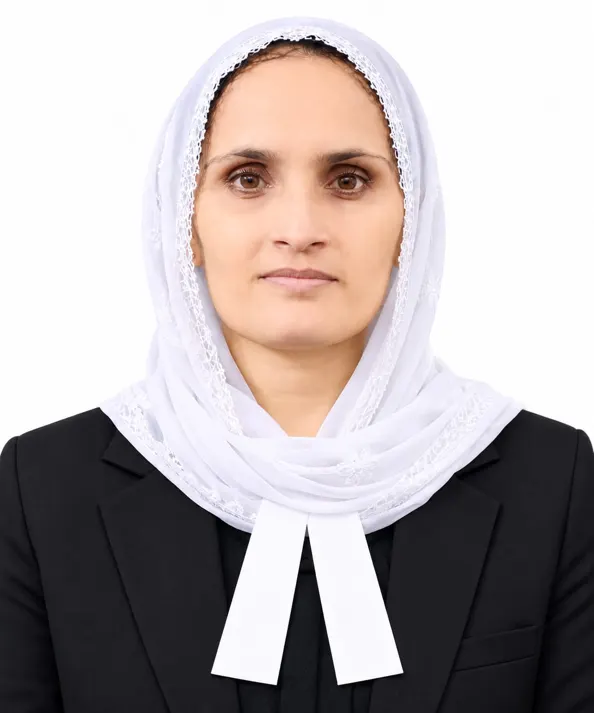
Sobia Mohsin
Advocate, Family & Corporate Documentation
Tahir Pervez Qureshi, Advocate High Court, settles trust deeds and advises on property, waqf and inheritance questions. Sobia Mohsin, Advocate, runs our corporate documentation desk and takes each file through the Sub-Registrar, the trusts registrar and verification.
Trust Registration in Pakistan — Frequently Asked Questions
How long does Trust Registration in Pakistan take?
At least three to six months. Drafting and execution of the deed take a few weeks; the rest is agency verification of the trustees and the office.
What is the cost of Trust Registration in Pakistan?
The government fee is about Rs 10,000. Our professional fee is Rs 50,000 for documentation and submission or Rs 100,000 for the complete service. Stamp duty, Sub-Registrar charges and verification costs are additional.
How do I register a trust deed?
The deed is executed on stamp paper by the author and trustees, registered with the Sub-Registrar under the Registration Act 1908 where required, and then filed with the provincial trusts registrar for registration of the trust itself.
Is registration with the Sub-Registrar enough?
No longer. Under the provincial trust laws enacted in 2020, a trust must also be registered with the trusts registrar before it can function or open a bank account.
How many trustees are needed?
At least two are usual and sensible. The deed should also set a maximum and say how vacancies are filled.
Can family members be trustees?
Yes. In a family trust they usually are. A charitable trust benefits from at least one independent trustee, which donors and FBR look at favourably.
Does Trust Registration in Pakistan give tax exemption?
No. Approval as a non-profit organisation under section 2(36) of the Income Tax Ordinance 2001 is a separate application to FBR, and donors' tax credit under section 61 depends on it.
Can property be transferred to the trust?
Yes, by a registered instrument with stamp duty. The transfer and the deed must describe the property exactly as the title documents do.
Can an old trust deed still be used?
An older deed usually needs review and registration under the 2020 Act of the province concerned. We check whether it can be adopted or should be redrafted.
Can overseas Pakistanis set up a trust?
Yes. Overseas founders can sign through a properly attested power of attorney, and we handle drafting, registration and verification in Pakistan.
Start Trust Registration in Pakistan With a Free First Review
A clear deed, the right province and a complete file make the difference between a trust that works for decades and one that is frozen at the first trustee change. WhatsApp +92 302 6644789 with the purpose of the trust and the trustees' details, and we will tell you which law applies and what it will cost.
We see clients at 2nd Floor, Supreme Corner, Johar Chowrangi, Gulistan-e-Johar, Karachi, and at 76-C, Mezzanine, Main Jami Commercial, Phase 7, DHA, Karachi. Calls 10 am to 10 pm; WhatsApp 24/7.
Official Sources and Legal References
Reviewed by: Tahir Pervez Qureshi, Advocate High Court
Published by: Advocates of Pakistan
Last updated: 16 November 2026