Pakistan Family Law Guide
Court Marriage in Karachi: Legal Procedure, Rules & Documents
Court marriage in Karachi is a popular expression for a lawful marriage arranged through free consent, valid Nikah formalities, a properly completed Nikah Nama and official registration. It does not ordinarily mean that a couple is married by a judge or inside a courtroom.
This informational guide explains the legal requirements, documents, Nikah procedure, registration, Haq Mehr, overseas cases and practical precautions that couples should understand before proceeding.
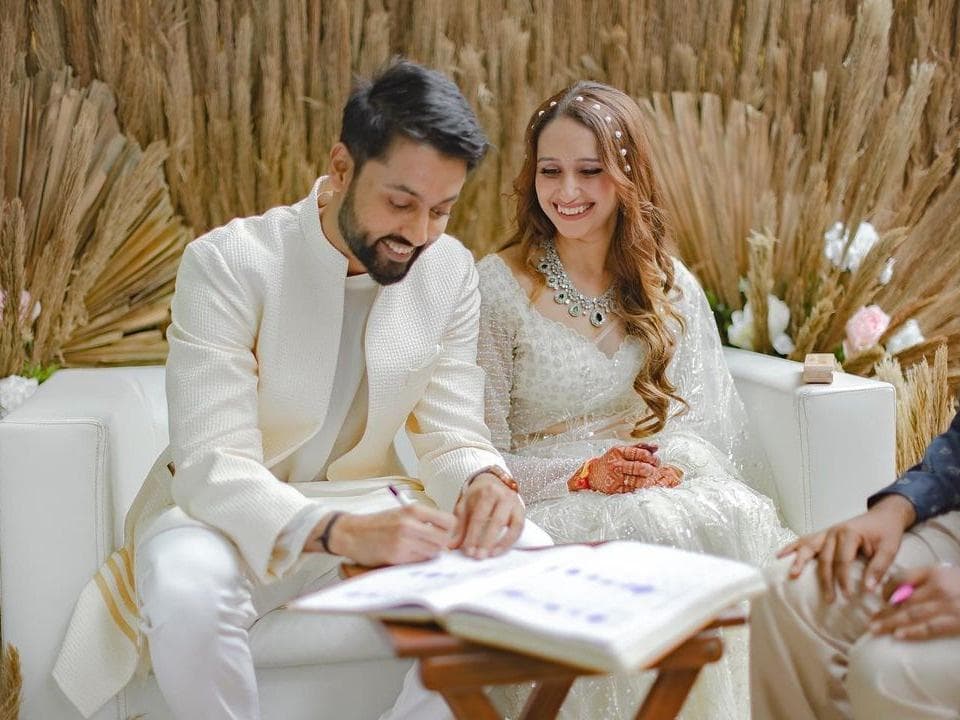
What Is Court Marriage in Karachi?
Pakistani statutes do not create a separate ceremony formally called a “court marriage”. In ordinary usage, the term describes a marriage in which an adult couple marries through free consent and arranges the Nikah, documentation and registration, often without a conventional wedding ceremony.
For Muslim couples, the essential legal focus is therefore not the word “court” but the validity of the Nikah, the parties’ legal capacity and free consent, correct completion of the Nikah Nama and registration of the marriage through the competent authority.
Legal Basis of Court Marriage in Karachi
Marriage Registration Under Muslim Family Law
Section 5 of the Muslim Family Laws Ordinance, 1961 provides that every marriage solemnised under Muslim law shall be registered and provides for Union Council licensing of Nikah Registrars.
Read the Muslim Family Laws Ordinance, 1961Minimum Marriage Age in Sindh
Under the Sindh Child Marriages Restraint Act, 2013, a person under eighteen years of age, whether male or female, is treated as a child for marriage purposes in Sindh.
Read the Sindh legislationLegal Requirements for Court Marriage in Karachi
Age
Both parties must satisfy the applicable minimum-age law. In Sindh, the relevant statutory threshold is eighteen years.
Free Consent
Marriage must be based on genuine consent. Coercion, threats or fraudulent identity can create serious legal consequences.
Identity
Names, CNIC numbers and other identity particulars should be verified before the Nikah Nama is completed.
Marital Status
Any earlier marriage, divorce, widowhood or second-marriage issue should be legally reviewed before proceeding.
Haq Mehr
Haq Mehr should be agreed and accurately recorded, including whether it is prompt, deferred or partly both.
Personal-Law Formalities
Witness and solemnisation requirements should be followed according to the applicable Muslim personal law and school.
Documents Commonly Required for Court Marriage in Karachi
The exact file can vary by the parties’ status and the competent registrar. The following documents are commonly requested; not every item is a statutory requirement in every case.
Original CNICs or other valid identity documents of both parties, with copies.
Recent passport-size photographs where required for the Nikah and registration file.
Divorce certificate or death certificate where a previous marriage has legally ended.
Passport, visa or foreign identity documents where one party is an overseas Pakistani or foreign national.
Power of attorney or Vakil-related documents where a party will not be physically present, if legally appropriate.
Any additional document required by the competent Nikah Registrar or local authority for the particular case.
Court Marriage Procedure in Karachi: Step by Step
A careful sequence reduces errors in the Nikah Nama and registration record. The procedure may differ where a party is overseas, previously married or subject to another special legal issue.
Check Legal Eligibility
Confirm age, identity, marital status, free consent and any special issue arising from a previous marriage, foreign nationality or absence of a party.
Prepare the Marriage Record
Review identity documents, settle Haq Mehr and prepare any affidavit, Vakil or supporting document that is genuinely required in the circumstances.
Solemnise the Nikah
The Nikah is solemnised according to the applicable Muslim personal law, with the required parties, representatives and witnesses as relevant to the school of law involved.
Complete the Nikah Nama
Names, CNIC details, addresses, marital status, Haq Mehr and agreed conditions should be entered accurately before the Nikah Nama is signed.
Register the Marriage
For Muslim marriages, the marriage must be registered in accordance with section 5 of the Muslim Family Laws Ordinance, 1961 through the competent registration system.
Preserve Official Copies
The spouses should retain registered Nikah Nama copies and, where needed, obtain the computerised Marriage Registration Certificate for official use.
Nikah Nama, Haq Mehr & Agreed Conditions
The Nikah Nama is not a formality to be signed without review. Names, identity numbers, addresses, marital status and Haq Mehr should be entered correctly. Any agreed lawful conditions should be considered before signatures are placed on the document.
Blank columns and inconsistent particulars can later create avoidable evidentiary, family, immigration or registration problems.
Union Council Registration & Marriage Certificate
For Muslim marriages, registration is a statutory requirement. The Nikah Registrar records the marriage in accordance with the applicable registration framework and registered copies of the Nikah Nama become important evidence of the marriage.
A computerised Marriage Registration Certificate may later be required for passports, visas, immigration, family records and other official purposes. It is commonly called a NADRA marriage certificate, although it is issued through the competent local registration authority using the relevant civil-registration system.
Special Court Marriage Situations in Karachi
Previous or Second Marriage
Previous marital status must be examined carefully. For a Muslim man contracting another marriage during an existing marriage, section 6 of the Muslim Family Laws Ordinance, 1961 creates an additional legal framework involving the Arbitration Council.
Overseas or Foreign Party
Passport, visa, foreign identity, attestation and Vakil or power-of-attorney arrangements may need review where one party is abroad or a foreign national. Requirements depend on the facts and intended use of the marriage record.
Family Opposition or Threats
Adult free-will couples may face threats, confinement allegations or other disputes. Marriage documents do not automatically resolve those risks; separate legal protection or court proceedings may be required depending on the circumstances.
Important Legal Precautions Before Court Marriage in Karachi
Do not sign an incomplete or incorrectly filled Nikah Nama.
Confirm the exact amount and nature of Haq Mehr before signing.
Verify the identity and marital status of both parties.
Use the competent Nikah Registrar and correct registration jurisdiction.
Do not assume that a free-will affidavit replaces Nikah or marriage registration.
Seek case-specific legal advice where there is a previous marriage, foreign nationality, family threats or an absent spouse.
Related Practical Information
A separate page on practical court marriage arrangements in Karachi covers the arrangements involved in carrying out the process. This guide remains focused on the law, procedure and documentation.
Frequently Asked Questions About Court Marriage in Karachi
What does court marriage mean in Karachi?
Court marriage is a commonly used expression for a lawful marriage arranged with free consent, proper Nikah formalities, documentation and registration. It does not ordinarily mean that a judge solemnises the marriage inside a courtroom.
Is court marriage legal in Karachi?
Yes. The legal validity of the marriage depends on the parties being legally eligible and freely consenting, compliance with the applicable personal law, proper solemnisation and required registration. The popular label ‘court marriage’ does not create a separate kind of marriage.
What is the minimum age for marriage in Karachi?
Karachi is in Sindh. Under the Sindh Child Marriages Restraint Act, 2013, a person under eighteen years of age, male or female, is a child for marriage purposes.
Does a court marriage require a court appearance?
Not ordinarily. A court may become relevant only if there is a separate legal issue, such as a protection matter, criminal allegation, habeas corpus proceeding or another dispute requiring judicial intervention.
Must a Muslim marriage be registered?
Yes. Section 5 of the Muslim Family Laws Ordinance, 1961 requires every marriage solemnised under Muslim law to be registered in accordance with the Ordinance.
Legal Review & E-E-A-T
Reviewed by Senior Family Law Practitioners
Legal guide reviewed by Syed Mohsin Ali Shah, Advocate, with more than 40 years of legal practice, and Sobia Mohsin, Advocate, Family Law Practitioner, for Advocates of Pakistan. Last reviewed: 9 September 2026.